

Balance and spatial direction are important for daily working, and once the vestibular system is affected, it may result in dizziness , disorientation, and problem maintaining stability. Care for vertigo treatment Los Angeles is a must for restoring balance and improving quality of life. These conditions may significantly influence flexibility, but with appropriate examination and structured treatment techniques, individuals can achieve successful healing and long-term sign control.
What Are Vestibular Disorders And How Do They Influence The Human anatomy?
Vestibular disorders refer to conditions that influence the inner head and head systems responsible for balance and spatial awareness. The vestibular process performs closely with perspective and sensory insight from muscles and joints to maintain equilibrium. When this system is disrupted, people might experience vertigo , dizziness , unsteadiness, confused vision, or difficulty concentrating. These symptoms may vary in power and may possibly happen abruptly or persist around time.

What Causes Vestibular Disorders ?
There are several factors behind vestibular dysfunction. Common internal hearing conditions include benign paroxysmal positional vertigo (BPPV), Meniere's disease, and vestibular neuritis. Viral attacks, mind accidents, ageing, and neurological conditions may also subscribe to balance issues. In some cases, migraines or medication unwanted effects might trigger vestibular symptoms. Understanding the main cause is vital for choosing the right treatment approach.
How Are Vestibular Disorders Identified?
Diagnosis involves a comprehensive evaluation of signs, medical record, and particular balance testing. Healthcare professionals might conduct reading tests, vision movement examination, and positional maneuvers to examine vestibular function. In more technical cases, imaging methods such as for example MRI or CT scans can be utilized to eliminate neurological causes. Correct analysis ensures that treatment is targeted and effective.
What Are The Most Effective Management Strategies?
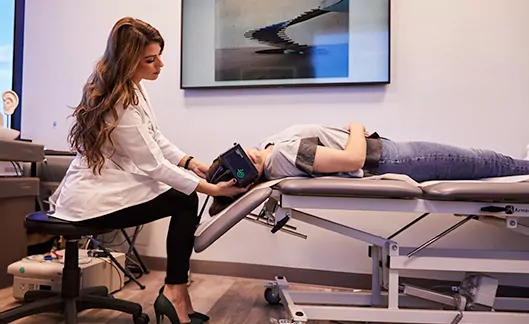
Administration of vestibular disorders depends upon the underlying condition. For BPPV, rethinking methods including the Epley maneuver might help regain balance by fixing internal ear crystal displacement. Medicines can be utilized to manage nausea, dizziness , or irritation throughout acute episodes.
Vestibular rehabilitation therapy is one of the very best long-term strategies. It requires organized exercises that help the brain conform to balance improvements and improve coordination. These workouts may possibly include head actions, gaze stabilization, and balance training. With consistent exercise, patients usually experience decreased dizziness and increased stability.
How Does Vestibular Rehabilitation Support Healing?
Vestibular rehabilitation functions retraining the brain to pay for inner ear dysfunction. Through recurring exercises, the anxious process becomes more effective at control balance signals. This adaptation helps lower tenderness to action and diminishes the frequency of dizziness episodes. Over time, individuals restore self-confidence in action and improve their over all physical stability.
Why Is Early Treatment Crucial For Vestibular Disorders ?
Early treatment is essential to avoiding symptoms from worsening and lowering the risk of falls or injuries. Postponed treatment may result in chronic discrepancy, nervousness, and paid off daily activity. Seeking medical interest early allows for faster analysis and more efficient administration strategies. Additionally it helps recognize any critical main conditions that could require specific care.
What Is The Potential Of Vestibular Disorder Treatment ?
Advancements in medical engineering are improving how vestibular disorders are identified and treated. New resources such as for instance electronic balance assessments, electronic truth rehabilitation, and AI-based diagnostic systems are improving precision and healing outcomes. Future therapies are likely to be much more customized, targeting unique dysfunctions within the vestibular system. As research continues, healing techniques will become more successful, supporting individuals achieve quicker and more complete repair of balance.