

Experiencing regular dizziness , discrepancy, or lightheadedness may significantly impact everyday life and over all well-being. Consulting a vertigo treatment doctor is a significant step toward distinguishing the root reason behind these signs and beginning an effective recovery journey. These specialists focus on diagnosing disorders related to the inner hearing, mind, and anxious process that contribute to balance issues. Through skilled evaluation and structured healing applications, individuals can perform long-term reduction, increased balance, and higher quality of life.
What Conditions Does A Dizziness Doctor Treat?
A dizziness doctor sweets a wide range of balance-related conditions that affect the vestibular system. These may include benign paroxysmal positional vertigo (BPPV), vestibular neuritis, Meniere's illness, headaches associated with dizziness , and other neurological balance disorders. Each problem presents distinctive indicators such as for instance rotating sounds, unsteadiness, vomiting, and trouble focusing. Correct recognition of the problem is important for making a powerful treatment approach tailored to the patient's needs.
How Is A Qualified Evaluation Conducted?
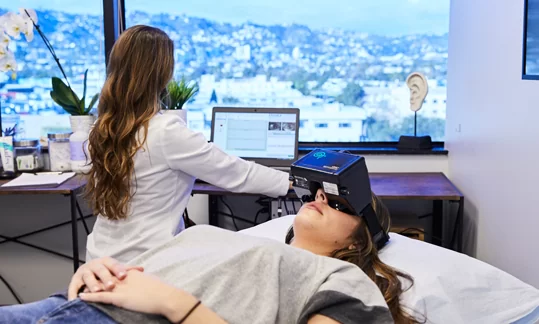
Professional evaluation starts with reveal report on the patient's medical history and symptom patterns. A dizziness doctor might conduct bodily examinations, balance testing, and eye action examination to examine vestibular function. Reading tests tend to be included to judge inner head performance. In more technical instances, imaging studies like MRI or CT scans can be utilized to eliminate neurological causes. That extensive strategy ensures precise diagnosis and targeted treatment.
What Treatment Possibilities Are Accessible?
Treatment depends on the main cause of dizziness. For positional vertigo , repositioning maneuvers including the Epley technique are typically applied to correct inner hearing imbalances. Medications may be prescribed to handle vomiting, irritation, or intense dizziness episodes.
Vestibular rehabilitation treatment is among the very best long-term treatment options. It includes specific workouts made to study the mind and increase balance function. These exercises help reduce dizziness sensitivity, increase control, and regain self-confidence in movement. As time passes, patients often knowledge significant development in balance and everyday functioning.
How Do Recovery Applications Support Patients?
Healing programs developed by dizziness health practitioners are individualized based on each patient's condition and intensity of symptoms. These programs may possibly include guided physical therapy, balance teaching exercises, and life style modifications. The target is to help mental performance adapt to balance improvements and lower continuing dizziness episodes. Regular checking ensures progress is tracked and treatment is adjusted as required for maximum results.
Why Is Early Evaluation Important?
Early evaluation is vital since untreated dizziness can lead to worsening symptoms, increased drop risk, and decreased quality of life. Fast analysis enables for faster treatment and far better healing outcomes. In addition, it helps exclude critical main neurological conditions that could require specialized care. Early intervention somewhat increases long-term balance and sign control.
What Is The Potential Of Dizziness Treatment ?
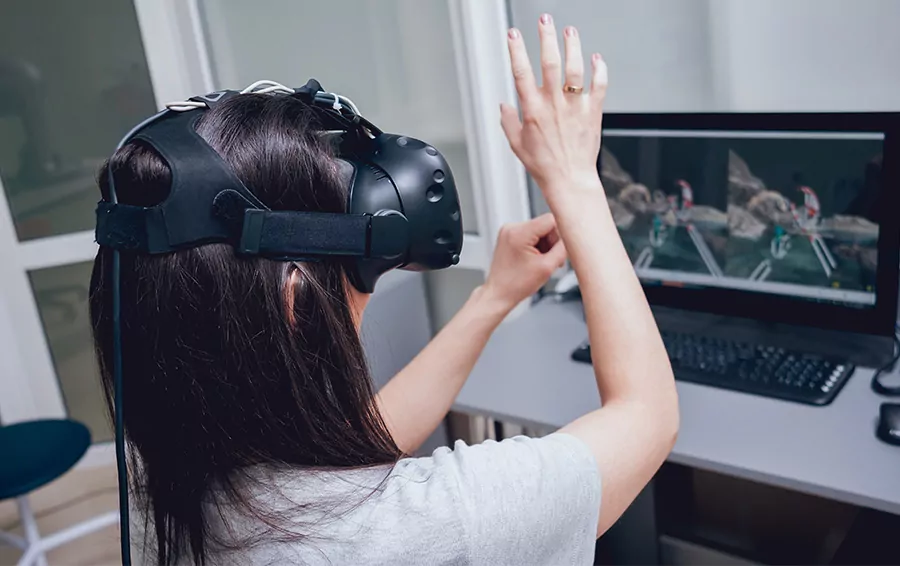
Advancements in medical technology are increasing how dizziness is identified and treated. New resources such as electronic balance testing systems, AI-assisted diagnostics, and virtual truth rehabilitation applications are enhancing accuracy and healing outcomes. Potential therapies are likely to are more personalized, successful, and targeted toward particular reasons for dizziness. As research continues, dizziness medical practioners will have the ability to supply even more efficient and patient-focused healing programs.